

Data Center Solutions: On-Premises vs. Cloud Deployment
MegaDrive IT Solutions
Contributeur expert
The Great Infrastructure Debate
One of the most consequential decisions an IT leader makes is where to physically house their organization's compute and storage. The choice between building a traditional on-premises data center and migrating to public cloud infrastructure profoundly impacts Capital Expenditure (CapEx), Operational Expenditure (OpEx), security posture, and agility. There is no universal right answer—only the right architecture for your specific business requirements.
The Case for On-Premises Data Centers
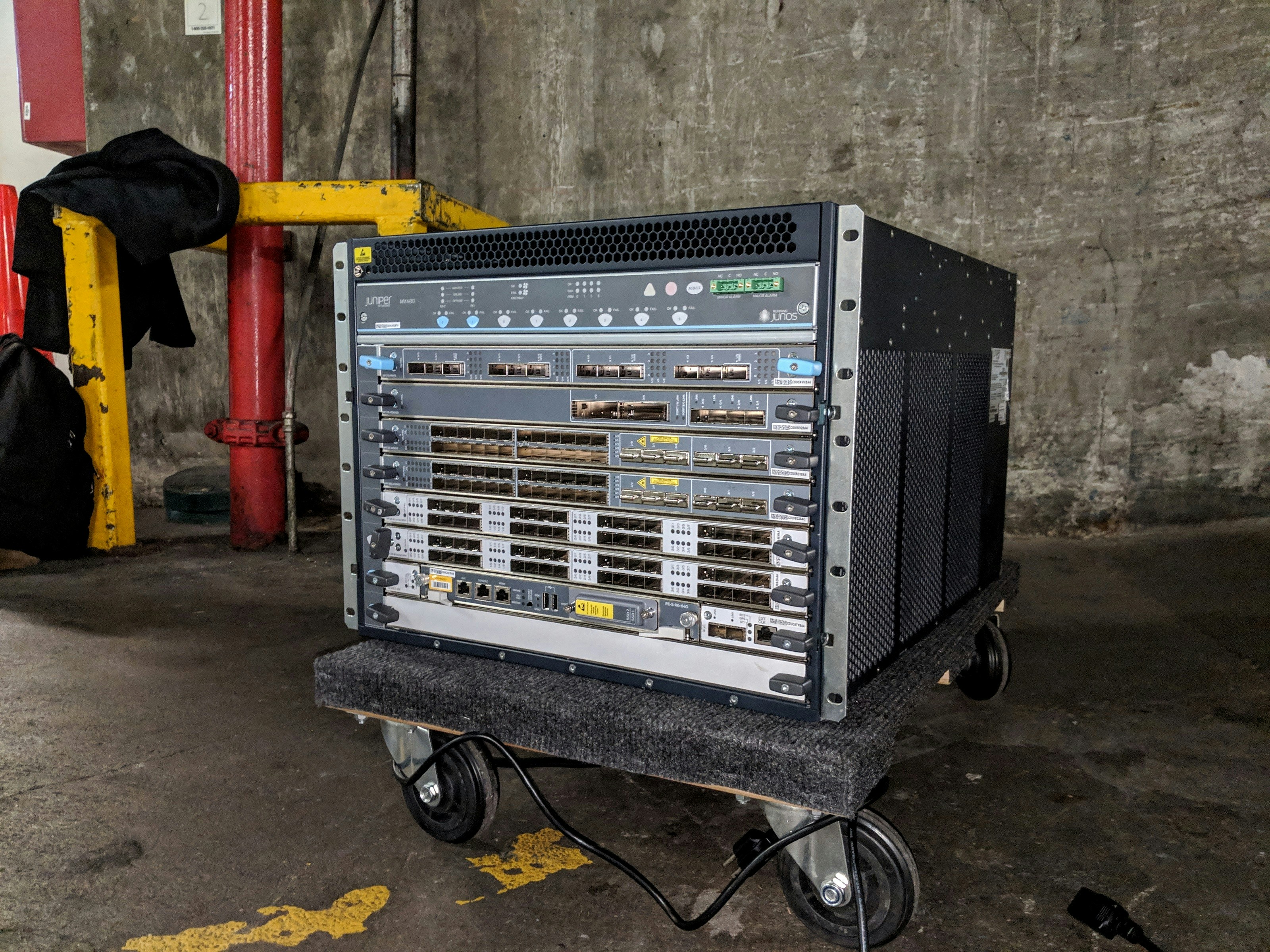
Owning the metal provides absolute control. For organizations handling highly classified data, stringent intellectual property, or those operating under strict national data sovereignty laws, on-premises infrastructure is often mandatory. Furthermore, for workloads requiring extreme, consistently high baseline compute (like heavy video rendering or massive, persistent database queries), owning the hardware can be vastly more cost-effective over a 3-to-5-year lifecycle compared to renting cloud instances.
The Advantages of Cloud Deployment
The public cloud abstracts away the physical limitations of IT. It transforms massive upfront capital investments (CapEx) into flexible, predictable monthly operating expenses (OpEx). It offers unparalleled elasticity—allowing a startup to scale infrastructure instantly to handle viral growth. Furthermore, cloud providers offer a vast array of managed platform services (PaaS), from machine learning APIs to managed databases, accelerating development cycles dramatically.
The Hybrid Compromise
Increasingly, the most pragmatic solution is Hybrid IT. Organizations maintain mission-critical, predictable workloads and sensitive data on highly optimized on-premises clusters (often utilizing open-source tools like Proxmox and TrueNAS). Meanwhile, they burst unpredictable workloads, public-facing web applications, and disaster recovery replicas into the public cloud. This approach demands sophisticated network orchestration and unified management tools.
Security, Compliance, and Vendor Lock-in
Security in the cloud operates on a "shared responsibility" model; the provider secures the facility, but you must secure your data and applications. Conversely, on-premises security rests entirely on your shoulders. A critical factor in this decision is avoiding vendor lock-in. Designing applications to be containerized and agnostic ensures you retain the leverage to move between cloud providers or back on-premises if economics dictate.
Choosing the Right Solution with MegaDrive
Navigating the complex matrix of latency, data gravity, compliance, and multi-year cost models requires expert analysis. MegaDrive IT Solutions excels in performing rigorous infrastructure audits. We will evaluate your specific workloads and design a bespoke data center strategy—whether that is a hyper-converged on-premises build or a seamless cloud migration. Contact us to schedule your comprehensive infrastructure assessment.
MegaDrive IT Solutions
MegaDrive IT Solutions accompagne les organisations à Kinshasa et en RDC dans leurs projets d’infrastructure open source et de solutions cloud.
Un projet d’infrastructure informatique ?
Parlez à MegaDrive IT Solutions de vos besoins en infrastructure, cloud et services informatiques.
Articles associés
Choosing the Right Open-Source Infrastructure Stack for Your Business
Learn how to construct a robust, scalable, and secure enterprise IT environment by combining the power of Proxmox, TrueNAS, and Nextcloud into a unified stack.
Lire l’article
Cloud Infrastructure Architecture: Best Practices for Modern Businesses
A comprehensive guide to designing resilient, scalable, and secure cloud infrastructure architecture for modern enterprise needs.
Lire l’article
Server Management & Optimization: Maximizing Performance and Uptime
Learn how to optimize your server lifecycle, allocate resources efficiently, and guarantee maximum uptime through proactive management.
Lire l’article